
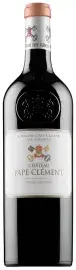
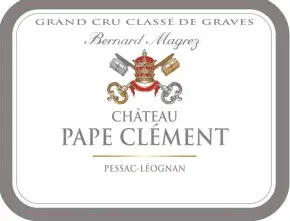
Chateau Pape Clement - 2006
UPC
0 15643 51256 8
1720-06
The Chateau
The Chateau Pape Clement is one of the oldest Grands Crus de Bordeaux. The vineyard was established in Thirteenth century by Bertrand de Goth, the youngest of a noble family from the Bordeaux region. The Chateau takes its name from The Archbishop of Bordeaux, Bertrand de Goth who became Pope in 1305 under the name of Clement V. Then the vineyard belonged to the Archbishop of Bordeaux until the French Revolution. This area boasts of producing wine on the same land for 7 centuries.
MISC
Location: Pessac.
Area: 57 hectares.
Grape varieties: 46% Cabernet Sauvignon, 49% Merlot, 3% Cabernet Franc, 2% Petit Verdot
Density: 7700 vines per hectare.
Soil: clayey layer of the Pyrenees from the end of Pliocene and Quaternary eras. Viticulture: Bordeaux method, integrated culture. Stripping and thinning in several passages. Grassing controlled and in part, to plow horse.
Yield: 35 hl/ha
Area: 57 hectares.
Grape varieties: 46% Cabernet Sauvignon, 49% Merlot, 3% Cabernet Franc, 2% Petit Verdot
Density: 7700 vines per hectare.
Soil: clayey layer of the Pyrenees from the end of Pliocene and Quaternary eras. Viticulture: Bordeaux method, integrated culture. Stripping and thinning in several passages. Grassing controlled and in part, to plow horse.
Yield: 35 hl/ha
Vinification
Hand harvested in small crates with a first sorting in the vineyard. Put into wooden vats by gravity. Maceration at low temperature. Farmed for 18 months in French oak barrels.